
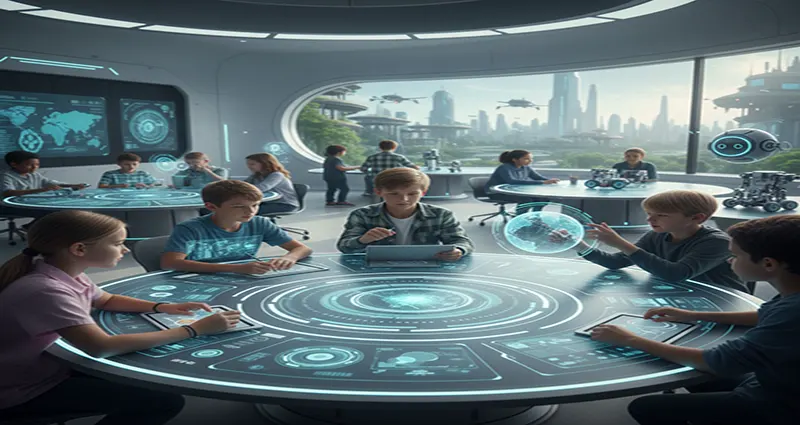
Future-Proofing Education: Equipping Students for Tomorrow’s Undefined Careers

The pace of technological change is staggering. Experts predict that a significant portion of careers held by today’s students have not even been invented yet, driven by advancements in AI, biotech, and sustainability. This reality presents a core challenge to the education system: how do we prepare students for jobs we cannot define? The answer lies not in teaching specific content, which quickly becomes obsolete, but in cultivating durable skills that are transferable across any emerging field.

The most valuable assets for an unknown career landscape are not degrees of knowledge, but degrees of competence. Foremost among these is Critical Thinking and Problem-Solving. We must transition from curriculum focused on recall to models like Project-Based Learning (PBL), which forces students to analyze novel, complex problems and devise original solutions. Equally vital is Adaptability and Flexibility. Future success depends on the “learn-to-learn” mindset—the capacity to rapidly acquire new skills, … Continue reading >>>


The AI Tutor: How Personalized Learning is Redefining the Future of Education

The traditional classroom, with its rigid curriculum and standardized pace, often struggles to cater to the diverse learning styles and individual needs of students. This conventional “one-size-fits-all” model can leave some students feeling overwhelmed and others unchallenged. However, a revolutionary shift is underway, with Artificial Intelligence (AI) emerging as the catalyst for personalized learning (PL), poised to fundamentally redefine the future of education.

At the heart of this transformation are Intelligent Tutoring Systems (ITS). These AI-powered platforms meticulously analyze vast amounts of student data, including academic performance, learning pace, and even interaction patterns, all in real-time. Based on this continuous assessment, the systems provide adaptive content, automatically adjusting the difficulty level, presenting information in preferred formats (visual, auditory, kinesthetic), and modifying the instructional path to perfectly align with each student’s unique requirements. This means immediate feedback and tailored resources are always at a student’s fingertips. This crucial … Continue reading >>>

The Impact of Digital Learning on Traditional Classroom Education

In recent years, the advancements in technology have revolutionized the way we learn, shifting the focus from traditional classroom education to digital learning platforms. The rise of digital learning has transformed the landscape of education, offering unprecedented accessibility, flexibility, and personalization. As we witness this transformation, it is important to examine the impact of digital learning on traditional classroom education.

Increased Accessibility and Flexibility

One of the most significant impacts of digital learning on traditional classroom education is the increased accessibility and flexibility it offers to learners. With digital learning platforms, students can access educational materials anytime, anywhere, breaking down geographical barriers and enabling learning at one’s own pace. This flexibility caters to diverse learning styles and schedules, creating opportunities for personalized and self-directed learning experiences.

Enhanced Engagement and Interactivity

Digital learning has introduced new ways of engaging students and fostering interactivity in educational settings. Through multimedia resources, gamification, virtual … Continue reading >>>

The Best Platforms for Online Digital Learning in 2025

As we look ahead to 2025, the landscape of education continues to be transformed by the power of digital learning. Online platforms have become integral to providing accessible, flexible, and high-quality education to a global audience. With the rapid evolution of technology and the changing needs of learners, the best platforms for online digital learning in 2025 are set to revolutionize the way individuals acquire knowledge and skills. Let’s explore some of the leading platforms that are poised to shape the future of online education.

1. Coursera

Coursera has emerged as a prominent platform for online digital learning, offering a wide array of courses, specializations, and degree programs from leading universities and institutions. Through partnerships with renowned educators and organizations, Coursera provides learners with access to diverse subjects, ranging from technology and business to the humanities and beyond. In 2025, Coursera is expected to continue enhancing its platform with advanced … Continue reading >>>

How to Create Effective Digital Learning Content for Educators

With the advancement of technology, digital learning content has become an essential tool for educators to engage and educate their students. Creating effective digital learning content requires more than just transferring traditional educational materials to a digital format. It involves understanding the needs of educators and their students, as well as incorporating innovative and interactive elements to enhance the learning experience. Here are some essential tips on how to create effective digital learning content for educators.

1. Understand Educators’ Needs and Challenges

Before creating digital learning content, it is crucial to understand the specific needs and challenges that educators face in their teaching practices. Engage in conversations with educators to gain insights into the topics they teach, the learning objectives they want to achieve, and the obstacles they encounter when delivering content in a traditional classroom setting. Understanding these needs will help in tailoring digital content to address specific educational … Continue reading >>>