
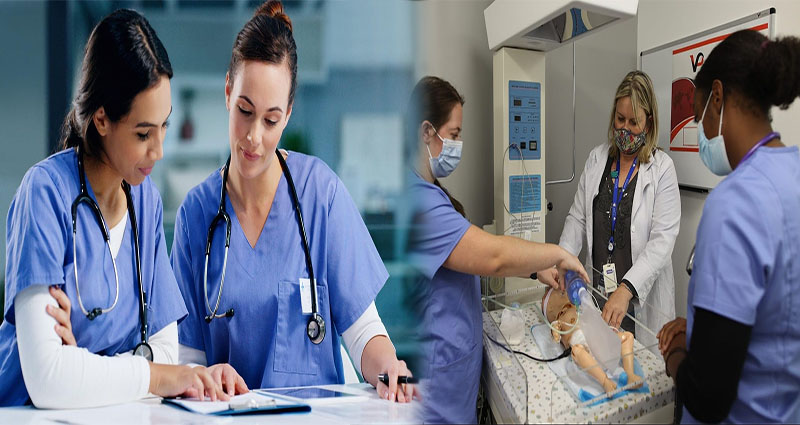
The Nurses That Make The Impossible Possible
When you think about the nurses that make the impossible possible, what do you imagine? If your first thought is “an angel,” you might be surprised to learn that there’s nothing angelic about being a nurse. In fact, being a nurse can be downright difficult at times! But for those nurses who have a passion for their work, it makes all of those challenges worth it. A passionate nurse will do whatever it takes to get through an exhausting shift if they know that their patients need them. They understand their role as not only caretakers but leaders and teachers who can help someone transform into their best self. They truly believe in what they do and are proud to tell others about it!
The nurses that make the impossible possible are the ones that have a passion for their work.
The nurses that make the impossible possible are the ones that have a passion for their work.
Nurses with passion are the ones who go above and beyond for their patients, even when they’re not getting paid overtime or extra pay. They stay late at night because they know how important it is for their patients to get good care at night when they may not be able to get out of bed or reach anyone on the phone. The nurses who do this aren’t just doing it because it’s expected of them; they’re doing it because they want to make sure everyone gets taken care of in every way possible.
A nurse with a passion will feel an urgency to get to work early and stay late, even if they don’t get paid overtime.
You may not realize it, but your nurse is an expert in their field. They have been trained to handle any situation that comes … Continue reading >>>


Working as a traveling nurse and rehabilitation
Nursing is a rewarding career that offers many opportunities. Nursing as a traveling nurse can be challenging, but it also has many benefits. This guide provides information about how to become a traveling nurse and what it’s like to work with rehab patients.
Nursing is a rewarding career that offers many opportunities.
Nursing is a rewarding career that offers many opportunities. Nurses are the backbone of the health care system, providing direct patient care and managing patient treatment plans. Nursing also provides an excellent foundation for other careers in medicine and health care, such as physician assistant or medical billing specialist (to name just two).
Nurses can work in a variety of fields, including hospitals, clinics and rehab centers. As a traveling nurse you will have more control over where you work than if you were employed by one facility permanently.
Finding work as a traveling nurse can be challenging.
Finding work as a traveling nurse can be challenging. If you don’t have experience in your desired field, it can seem like an uphill battle to land a job that will allow you to travel and explore new places. But there are ways to make this dream come true!
- Get licensed: If you want to work as a traveling nurse but don’t have any experience in your desired field yet, consider getting licensed first. This will provide some credibility for employers and help them see how well-trained and qualified for the job you are. To become licensed in most states requires completing an accredited program from an approved school (or university).
- Find jobs by region: Some regions are easier than others when it comes to finding jobs as travelers–for example, California has many hospitals that hire travelers while Texas doesn’t have nearly as many options available at present time due
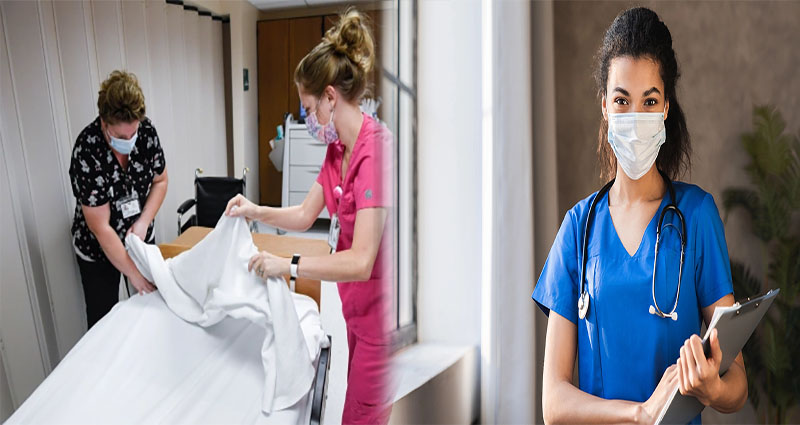
Nurse & Rehabilitation Articles
Rehabilitation nurses work with patients who have sustained an injury, a disability or illness. The duties of rehabilitation nurses depend on their level of experience and whether they are working in a hospital or private practice setting. Some organizations offer scholarships to students who want to become rehabilitation nurses.
Rehabilitative care is a specialty in the field of nursing.
Rehabilitative care is a specialty in the field of nursing. It is a broad field that can include mental health, physical therapy and occupational therapy. Nurses who specialize in rehabilitation work with people who have sustained an injury, disability or illness to help them regain their independence and improve their quality of life.
Rehabilitation nurses work with people who have sustained an injury, a disability or illness.
A rehab nurse works with people who have sustained an injury, a disability or illness. These patients may be in the hospital or in their own homes. The role of a rehab nurse can be very broad depending on the setting they are working in and the type of patient they are working with. Some rehabilitation nurses only work with one type of patient (elderly patients), while others may work across several areas such as geriatrics, neurology and orthopedics.
Nurses also need to know about other disciplines such as psychology/psychiatry, physiotherapy/occupational therapy etc., so they can coordinate care between these professionals when needed.
The duties of rehabilitation nurses depend on their level of experience.
As a nurse, you’ll be responsible for helping patients with disabilities to recover from illness or injury. You may work in hospitals, clinics or nursing homes. The duties of rehabilitation nurses depend on their level of experience:
- Entry-level nurses usually perform basic tasks such as taking vital signs and recording information about the patient’s condition. They may also spend time
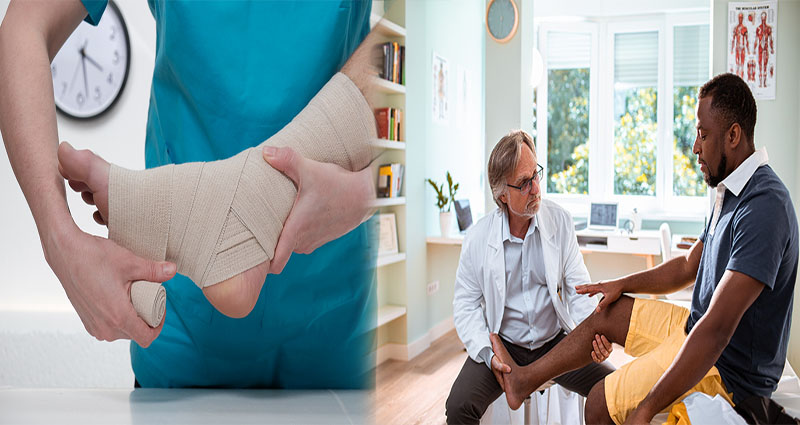
5 Tips To Help You Recover Faster From Surgery
If you’ve had surgery, you know how painful and uncomfortable it can be. But if you’re wondering how long it will take to recover from the procedure, don’t panic! Follow these tips to help your body recover faster:
1. Rest and sleep
Rest and sleep are essential for the recovery process. Your body needs rest in order to heal, so it’s important that you get enough sleep. How much rest and sleep you need depends on the type of surgery you had, but if possible, try getting up and going to the bathroom at least once every hour during the night so that your bladder doesn’t swell up while sleeping (this could cause discomfort). If this isn’t possible due to pain or other factors, try taking a painkiller before bedtime so that when it comes time for bedtime activities (like getting up), they won’t cause as much discomfort.
2. Eat a healthy diet
- Eat a balanced diet.
- Don’t eat too much or too little.
- Don’t skip meals, especially if you’re on a special diet plan that requires you to eat at specific times of the day; this can increase your risk of developing complications following surgery, such as low blood sugar levels and dehydration.
- If you have a problem with eating, talk to your doctor about it before surgery so that they can help figure out how best to address this issue during recovery time (e.g., by prescribing medication or suggesting counseling).
3. Drink plenty of water
The third tip is to drink plenty of water. Your body needs fluids to heal, so make sure you’re drinking enough water for the first couple days after surgery. The best way to do this is by having a glass of water with every meal or snack that you have throughout the day–and … Continue reading >>>
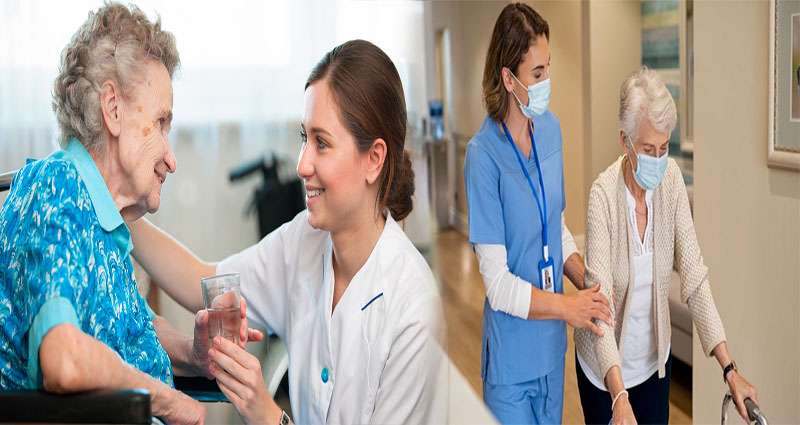
How To Become A Licensed Rehabilitation Nurse
If you’re thinking of going into the field of nursing, you’ve come to the right place. In this article, we’ll tell you everything you need to know about becoming a licensed rehabilitation nurse (LNR).
Required Education
- Nursing degree
Nursing degrees are offered at the associate’s, bachelor’s and master’s levels. A bachelor’s degree in nursing (BSN) is required for entry into most entry-level positions as a registered nurse (RN). A master’s degree in nursing (MSN) is required for advanced practice nursing roles such as clinical nurse specialist or nurse practitioner. For example, if you want to work with older adults as a gerontological clinical specialist, you need an MSN from an accredited program approved by the American Association of Colleges of Nursing (AACN).
State Licensure Requirements
State licensure requirements vary from state to state. However, the following are some general examples of what you will need to do in order for your license application to be considered:
- Complete a bachelor’s degree or higher from an accredited nursing program with clinical experience in rehabilitation nursing.
- Pass all parts of the National Council Licensure Examination (NCLEX) and submit official results within six months of graduation.
- Complete additional training and/or education if required by your state board of nursing (BON).
Specialty Certifications
Certifications are a great way to stand out in the field. There are many different certifications available, but it is important to choose one that is relevant to your career goals. Some examples of certifications you could get include:
- Certified Nurse Practitioner (CNP)
- Certified Registered Nurse Anesthetist (CRNA)
Working Conditions, Benefits and Salary
As a rehabilitation nurse, you will work in various settings such as hospitals, outpatient clinics and nursing homes. You may also be called upon to travel to different locations for short periods of time. The hours are typically long … Continue reading >>>